






What judges notice in competition outfits

First impressions on the stage often decide whether a routine lingers in a judge’s mind. I want to guide vous through what judges really notice about competition outfits — from visual impact to colour contrast, age-appropriate design, and how the costume must reflect the performance theme. I draw on common judging cues and practical examples to help vous make choices that enhance scores and storytelling.
Visual impact judges look for
First impression and stage presence
je always notice the moment an athlete steps into the light. The first three seconds create a lasting mental image. Bold shapes, confident posture and a clean silhouette make the routine memorable. If votre costume reads clearly from the back row, vous already have an advantage. Judges register clarity: strong lines, cohesive styling and a unified team look if applicable.
Movement visibility and silhouette clarity
Motion reveals design. Fabrics that flow can amplify choreography, but too much fringe or excessive layers can obscure technical lines. je pay attention to how the outfit tracks limb movement. A well-cut bodice, contrasted piping along limbs, or transparent panels placed strategically highlight extension and footwork. The aim: make every movement legible, even in fast sequences.
Colour contrast and how it affects scoring
Choosing high-contrast palettes for legibility
Colour contrast is about visibility and focus. High contrast between the costume and the competitor’s skin tone or the stage background helps judges pick out shapes quickly. je recommend pairing a strong base colour with accents — for example, deep navy with bright coral trims — so key lines pop in peripheral vision. Avoid muddy combinations that flatten detail under hot lights.
Lighting interaction and practical testing
Stage lights change everything. A colour that looks vibrant in a mirror can wash out under tungsten or LED washes. je suggest testing costumes on stage or under similar lighting before the event. Ask: does sequined fabric sparkle distractingly? Does white reflect so much light it loses contour? Practical tests prevent surprises and keep focus on performance, not glare.
Age-appropriate design and judge expectations
Fit, modesty and proportion for different age groups
Judges evaluate whether a costume suits the performer’s age and role. je look for appropriate hemlines, tasteful necklines and proportional embellishment. For younger competitors, simpler lines and restrained sparkle preserve a professional image. For adults, tempo and theme allow bolder fashion choices but proportion still matters: an oversized skirt can swallow petite dancers; a too-tight bodice restricts movement.
Accessories, hair and overall grooming
Accessories complete the visual story but can be risky. je notice when large hairpieces shift mid-routine or when dangling jewelry interferes with lines. Hair should frame the face and stay secure. Minimal, strategic accessories often score better than an elaborate but unstable ensemble. Cohesion between costume, hair and makeup signals preparation and respect for the discipline.
Integrating performance theme with costume design
Narrative consistency and costume cues
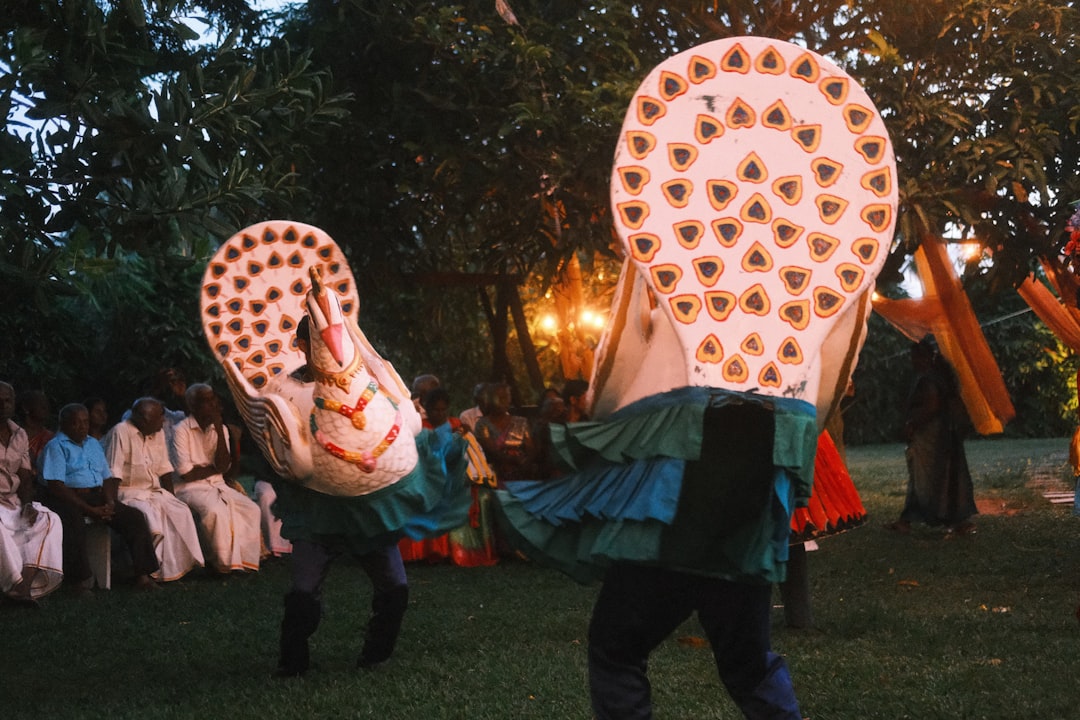
A costume must tell a part of your story instantly. je watch for thematic cues that reinforce choreography: color palettes tied to mood (cool blues for tranquility, warm reds for intensity), era-appropriate trims, or props integrated safely. Subtle cues, like a sash or a period accessory, can strengthen storytelling without overwhelming technique.
Avoiding clichés and over-interpretation
Theme should enhance, not dictate, design. I see judges penalize outfits that lean on stereotypes or distract with gimmicks. A pirate hat during a contemporary solo can feel incongruent. Keep symbolism tasteful and functional. The costume’s job is to support the performance, not steal the spotlight.
Practical details that sway judges
Craftsmanship and safety
je examine finishings: seams, secure embellishments, and clean hems. Loose beads or fraying edges raise red flags about rehearsing in a safe costume. Judges value reliability — costumes that survive lifts, quick changes and rigorous movement without malfunction impress quietly.
Consistency across team members
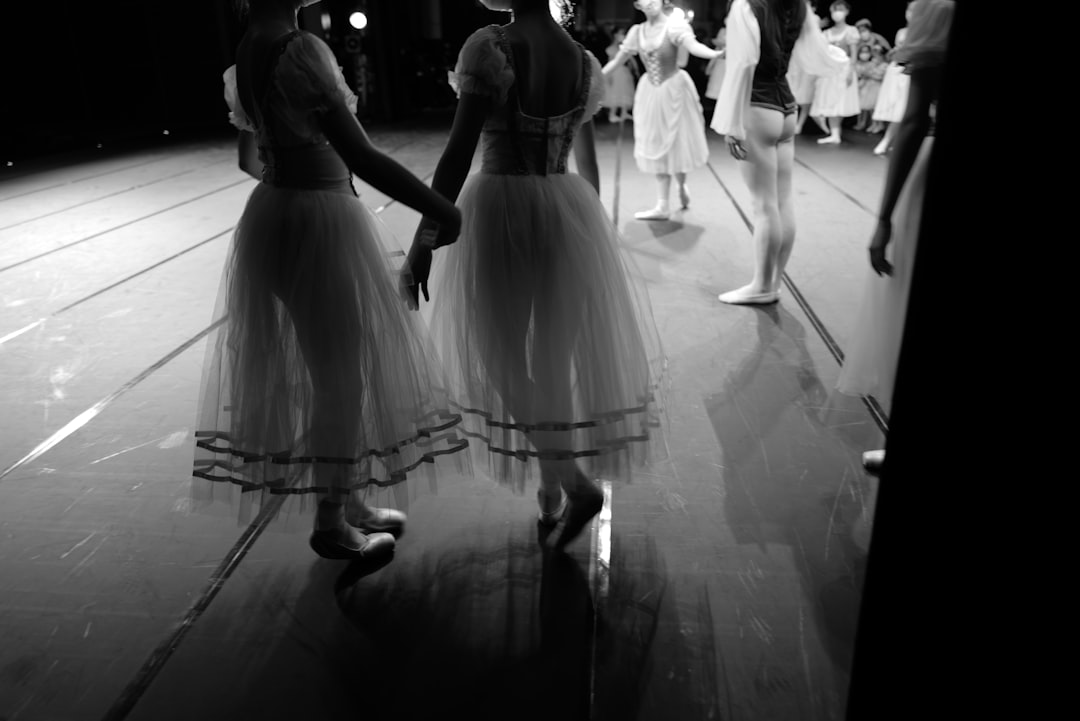
For ensemble pieces, consistency matters. je notice mismatched trims, inconsistent fits, or varied levels of embellishment. Uniformity in colour, cut, and styling communicates discipline and attention to detail. It makes formations sharper and the visual tableau more convincing.
- Ensure silhouette reads from a distance
- Test colours under actual stage lighting
- Prioritize secure fit and modesty by age group
- Align accessories and hair with movement safety
- Use costume cues to reinforce the theme without clichés
Winning wardrobe strategies judges remember
je have seen the small choices that tip the balance: a crisp contrast that highlights a turn, a clean hem that keeps a line uninterrupted, an accessory that complements rather than competes. When vous choose outfits, think clarity first, narrative second, flair third. Practical testing, thoughtful proportions and tasteful embellishment keep attention where it belongs — on your performance. Follow these principles, and votre costume will feel like an extension of the choreography, not a separate act.
For practical sourcing and to compare fabric, construction and sizing options before committing, consult specialist retailers — for example, 247dancewear.co.uk provides detailed product information that can help with stage testing and selection.