




How to choose the right fabric for a dance costume
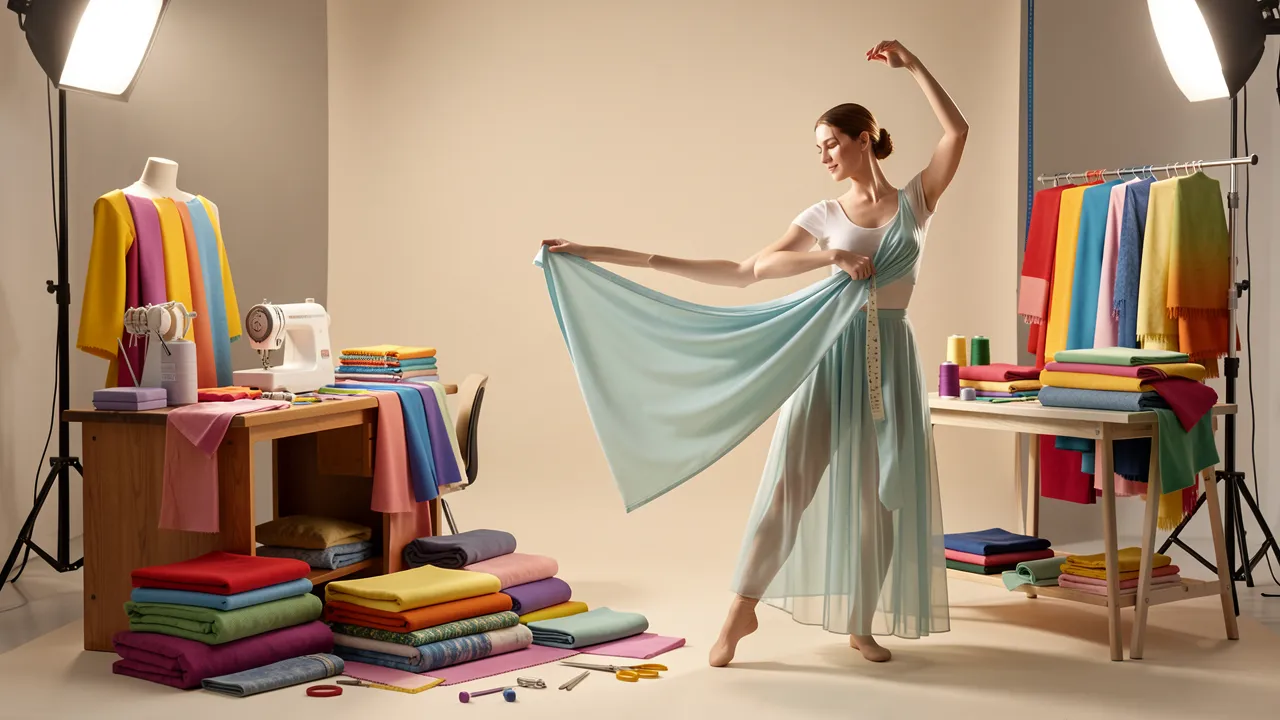
The right fabric can make a dance costume feel effortless, secure and visually striking. It affects how freely you move, how the garment sits under stage lights and how well it survives rehearsals, travel and washing. Whether you are preparing for ballet, jazz, tap, ballroom or a contemporary solo, fabric choice should support both the choreography and the performer’s comfort.
Start with the movement and dance style
Every dance discipline places different demands on a costume. Before considering colour, sparkle or texture, think about the movements you need to perform. Deep lunges, turns, lifts, floorwork and rapid footwork all call for fabrics with specific properties.
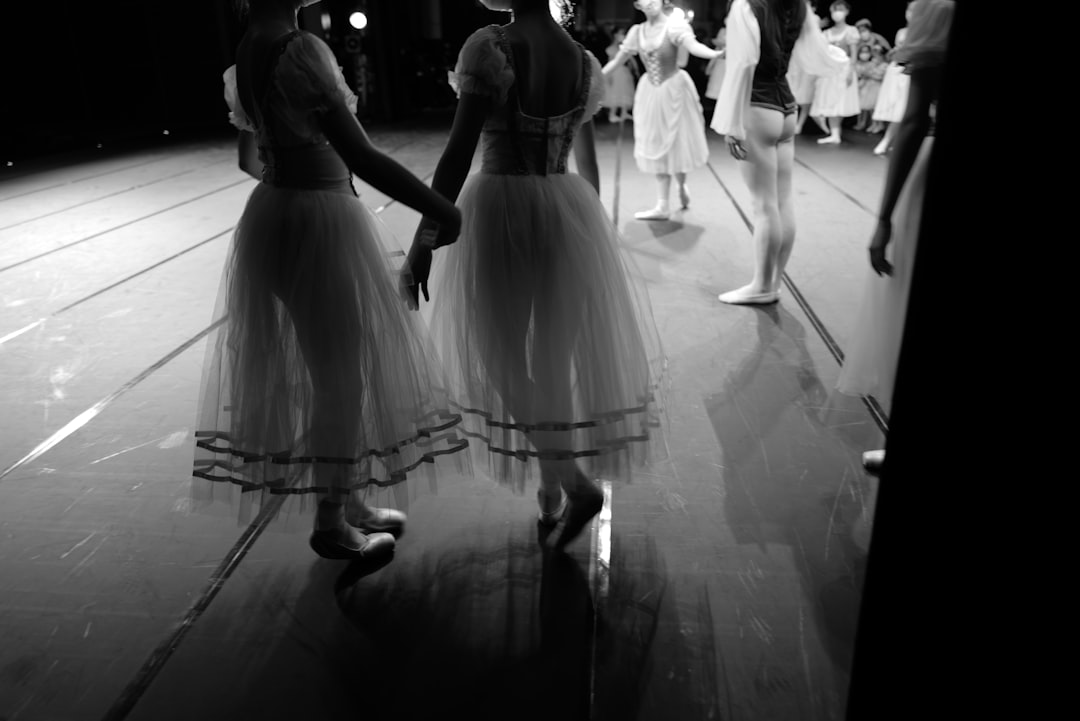
For ballet and lyrical routines, soft stretch materials such as matte lycra, mesh and stretch velvet can create fluid lines without restricting extension. A light skirt in chiffon or georgette adds movement while keeping the silhouette delicate. Contemporary dancers often benefit from breathable fabrics that can withstand floor contact, including stretch jersey, soft lycra and layered mesh.
Jazz and commercial routines tend to suit high-stretch fabrics that remain close to the body. Nylon lycra, metallic spandex and stretch sequins can produce a sharp, polished look while allowing energetic movement. For tap, fabrics should remain stable and secure, particularly around the torso, as costumes need to stay in place during fast, percussive choreography.
Ballroom and Latin costumes frequently combine several textiles. Stretch lycra creates a reliable base, while mesh, fringe, rhinestones and lightweight skirts add drama. If a costume includes a full skirt, select a fabric that reacts well to spins without becoming heavy or tangled.
Balance stretch, recovery and support
Stretch is not simply about comfort. A dance fabric must return to its original shape after movement, otherwise the costume may become loose, baggy or uneven during a performance. This quality is known as recovery.
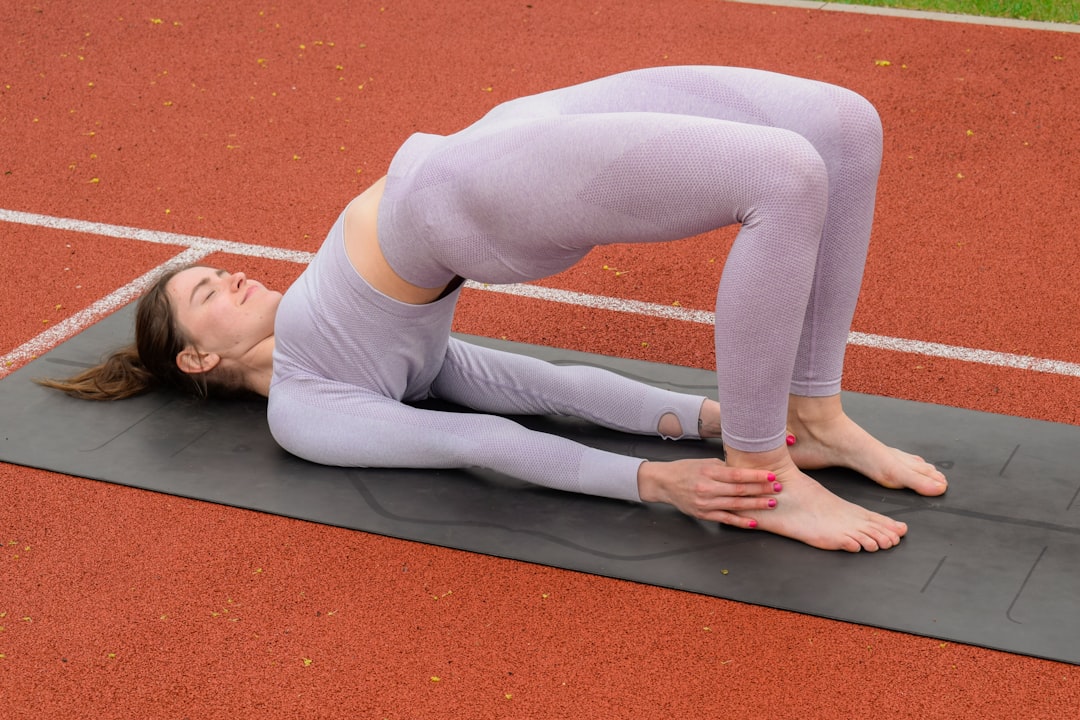
Four-way stretch lycra moves both lengthways and sideways, making it a strong choice for leotards, unitards, fitted dresses and costumes with demanding choreography. Two-way stretch fabrics can work for less fitted panels, sleeves or decorative layers, but may feel restrictive when used across the hips, shoulders or back.
Consider the placement of each fabric. A firm, supportive lycra may be useful around the bodice, while softer mesh can be used on sleeves and neckline panels. If you are choosing a fabric for a costume with cut-outs, asymmetric straps or open backs, test whether it remains secure when you lift your arms, bend forward and turn.
For competition costumes, the fabric should look refined from a distance as well as up close. The guidance in Competition outfits judges really notice can help you align fabric choices with a confident, stage-ready overall appearance.
Choose weight and opacity with care
Fabric weight changes the way a costume performs. Lightweight materials can float beautifully, but they may be too transparent or fragile for a demanding routine. Heavier textiles can offer structure, although too much weight may pull on straps, limit movement or become uncomfortable under warm stage lighting.
Always check opacity under bright light. A pale lycra bodice, white mesh sleeve or nude panel may look fully opaque in a changing room but become sheer on stage. Stretching the fabric over your hand and holding it near a strong light provides a useful first check.
You may also need lining. A lining can improve coverage, smooth the fit and make a garment more comfortable against the skin. Nude or skin-tone stretch lining works well beneath mesh, lace and pale fabrics. For skirts, a lightweight lining can prevent static cling and preserve the intended shape.
If you are using sequinned fabric, test the reverse side too. Some sequins and embellishments can feel rough, especially under the arms or around the neckline. A soft lining protects the dancer’s skin and gives the costume a more professional finish.
Match texture and shine to the stage setting
Stage lights can transform a fabric. Matte materials absorb light and create a calm, sophisticated finish. Shiny lycra, foil prints and metallic fabrics reflect light, helping dancers stand out at a distance. Neither option is automatically better, as the right choice depends on the music, choreography and venue.
For an emotional contemporary piece, matte stretch fabric with subtle mesh layers may suit the mood better than a highly reflective costume. For a lively jazz number, metallic panels or holographic lycra can reinforce the energy of the routine.
Use sparkle thoughtfully. Rhinestones, sequins and glitter fabrics create impact, but an entire costume covered in reflective decoration can overwhelm the dancer’s lines. Consider placing brighter fabrics on areas you want to draw attention to, such as the shoulders, waist or skirt movement.
Colour also behaves differently across materials. Red velvet appears deep and rich, while red metallic spandex may look brighter and more dramatic. Order swatches when possible, then view them in daylight and under artificial light before making a final decision.
Plan for care, durability and repeated wear
A beautiful fabric is only practical if it can cope with the life of a dance costume. Rehearsals create sweat, friction and repeated stretching. Competition weekends can involve packed costume bags, quick changes and long journeys. Choose fabrics that can be cleaned safely and repaired if needed.
Lycra and mesh are generally practical, although they need gentle washing and should not be exposed to high heat. Velvet can be vulnerable to crushing, while sequins, appliqué and rhinestones need careful handling to prevent damage. Keep spare fabric for repairs, particularly if the costume contains a distinctive print or colour.
For more guidance on protecting delicate materials after performances, see Dance Costume Care Tips: Washing, Storage and Repairs. Proper storage can preserve stretch, prevent snagging and reduce the risk of embellishments coming loose.
Before committing to a fabric, consider these practical checks:
- Test the stretch and recovery by pulling the fabric in several directions.
- Check opacity under strong lighting and when the material is stretched.
- Feel the reverse side against the skin, especially with sequins or foil finishes.
- Match fabric weight to the amount of movement and layering in the design.
- Buy a little extra fabric for alterations, repairs and matching accessories.
- Wash a small sample first if the costume includes multiple fabric types.
Create a costume that performs as well as it looks
The best dance costume fabric supports the choreography without distracting from it. It should move naturally, fit securely, suit the performance style and remain comfortable from warm-up to final bow. By considering stretch, opacity, weight, texture and care requirements together, you can select materials that look exceptional on stage and remain dependable throughout the season.