




How to choose makeup for stage lights
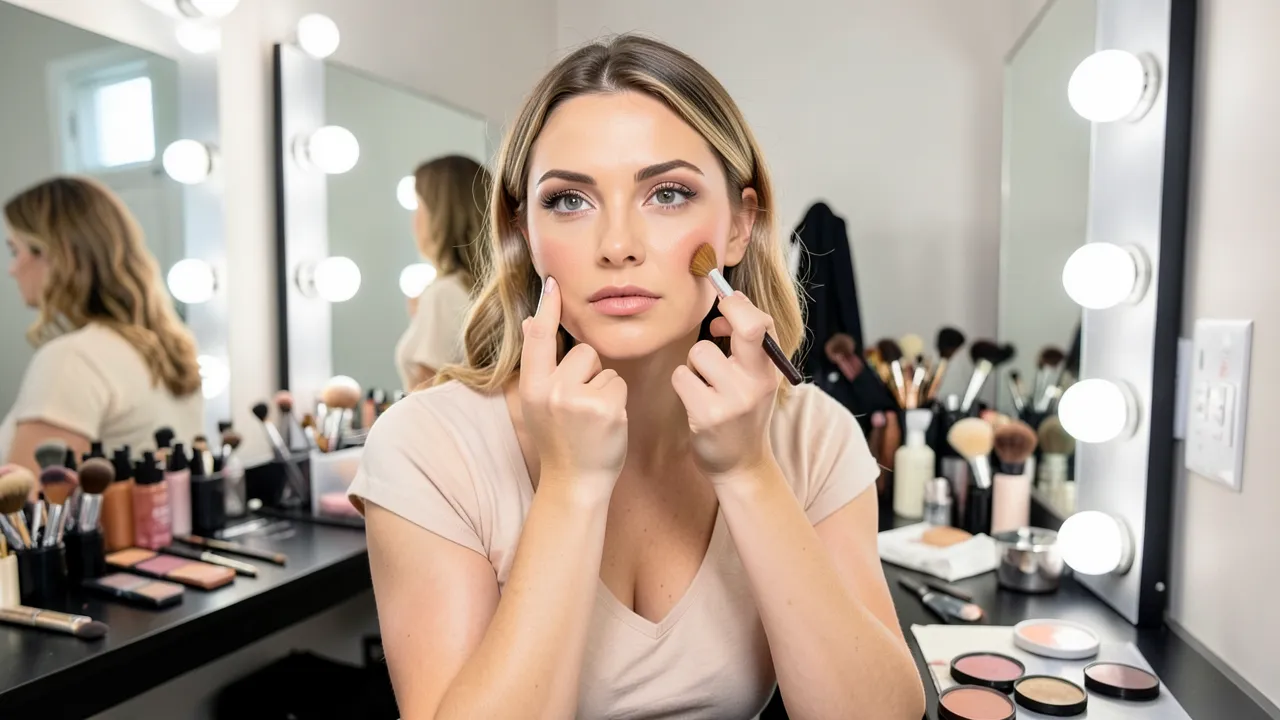
Stage makeup is not about looking “more made up” for the sake of it; it is about making your features read clearly under strong lighting, distance, and movement. What looks balanced in a mirror or under bathroom light can disappear on stage, where bright spots, shadows, and camera flashes change everything. If you are preparing for a performance, the right makeup helps your expression remain visible, supports the costume, and keeps the overall look polished from the first cue to the final bow.
Understand how stage lights change your face
Stage lighting alters color, contrast, and texture. A foundation shade that looks natural in daylight may appear washed out under white LEDs, while a soft blush can vanish completely under warm spotlights. The goal is not heavy makeup for its own sake, but clear definition from a distance.
Consider the type of lighting you will face
Different productions use different setups. Warm incandescent lights soften skin tones, while cool LED lights can pull makeup toward gray or pale. Side lighting adds shadows and can make contouring more noticeable. If you can, test your makeup under lighting similar to the venue’s setup. That small rehearsal can save you from a last-minute surprise.
Match your makeup to the performance distance
A solo performed close to the audience can use slightly softer definition than a group routine seen from the back of a theatre. In larger venues, features need stronger contrast so they do not disappear. Eyebrows, eyeliner, cheek color, and lip shape matter most here because they frame the face and support expression.
Build a base that survives heat and movement
The base is the foundation of the whole look, and it should hold through nerves, sweat, and quick costume changes. A long-wear primer helps smooth the skin and creates a better surface for makeup. Use foundation that offers medium to full coverage with a natural finish, then set it lightly with powder so it stays in place without looking dry.
If your performance includes fast changes or a lot of physical movement, choose products that are resistant to transfer. You may also want to review Dance Costume Care Tips: Washing, Storage and Repairs so your costume and makeup routine work together without damaging fabrics.
Choose undertones carefully
Stage lights can exaggerate undertones. If your foundation is too warm, it may look orange. If it is too cool, your face can appear flat. Test a few shades along your jawline and check them in both daylight and indoor light. A correct match should blend into your neck without creating a visible line.
Shape the features that the audience must see
On stage, soft everyday makeup often loses definition. You need stronger contrast around the eyes, cheeks, and lips so your expressions read clearly. That does not mean harsh lines; it means controlled placement and enough pigment.
Eyes should stay defined without looking heavy
Use eyeliner to emphasize the shape of the eye, and do not rely on mascara alone. A thin line can be enough for a small venue, but larger stages may need a more noticeable lash line. Shadow should create depth, with a lighter shade on the lid and a deeper shade in the crease or outer corner. False lashes can help, provided they are comfortable and securely applied.
For extra sparkle that still reads well under lights, many performers pair eye looks with glitter or crystal accents. If that suits your costume style, Best rhinestones for dance costumes and stage sparkle may help you coordinate the shine with the rest of the outfit.
Brows and lips need stronger borders
Brows frame the face and help communicate expression, especially from a distance. Fill them in with short, natural strokes and set them so they stay in shape. For lips, choose a color that stands out against your skin and costume. A well-defined lip line keeps your mouth visible during singing, dancing, or spoken performance. Avoid shades that are too pale, since they often disappear beneath bright lamps.
Use color with the costume in mind
Makeup should support the costume rather than compete with it. A delicate pastel dress may call for softened blush and a fresh lip, while a dramatic black or jewel-toned costume can handle deeper eye definition and richer color. The aim is balance: the audience should notice your overall stage presence before they notice individual products.
Let the costume guide the palette
If your outfit is heavily decorated, you may need to simplify the makeup slightly so the look does not feel crowded. If the costume is clean and minimal, makeup can provide more of the visual drama. For inspiration on how judges read the whole presentation, you may also find Competition outfits judges really notice useful when planning a polished final appearance.
Test, photograph, and adjust before performance day
A makeup look should never be a first attempt on stage day. Test it under bright light, then take photos and videos from a few meters away. What appears balanced in person may need extra blush, a darker brow, or a stronger lip in photographs. This is especially useful if your performance will be recorded or streamed.
If you enjoy decorating costumes or accessories, you may already know how small visual choices change the final effect. That same logic applies to makeup. A simple routine can become more stage-ready with a few precise adjustments, and beginners may benefit from DIY Dance Costume Decoration for Beginners for ideas about visual balance and contrast.
A practical checklist before you head out
- Test makeup under bright light and, if possible, under venue-like lighting.
- Choose a foundation that matches both your face and neck.
- Strengthen eyebrows, eyeliner, cheeks, and lips so features remain visible.
- Set products with powder or setting spray to improve wear time.
- Coordinate color intensity with your costume and stage distance.
- Take photos and short videos to see how the look performs on camera.
- Pack touch-up items for quick repairs before call time.
Choosing makeup for stage lights means thinking like the audience: from afar, in motion, and under changing brightness. When you focus on coverage, definition, and harmony with the costume, your makeup supports your performance instead of distracting from it. With a little testing and a few smart product choices, you can step on stage knowing your face will read clearly from the first note to the final pose.