From studio to street: Clothes that move with you
Clothing that feels good in motion can change how you move through the day. Dancewear offers a useful starting point: it is designed to stretch, recover, support and follow the body without restricting expression. By applying those principles to everyday fashion, you can build a wardrobe that feels polished for work, relaxed for social plans and practical for creative activities.
Movement should guide your everyday wardrobe choices
A movement-friendly wardrobe is not limited to leggings and oversized sweatshirts. The goal is to select pieces that allow you to sit, walk, cycle, reach, dance or commute comfortably while still reflecting your personal style. Comfortable elegance often comes from construction rather than from loose clothing alone.
Dance-inspired dressing also invites a more intuitive relationship with clothes. A garment should support your posture and your confidence, rather than requiring constant adjustment. Think of a wrap top that stays in place, wide-leg trousers that do not pull at the knees, or a fitted knit dress that lets you take a full stride.
The BRIGIT Project provides a relevant cultural point of reference for readers interested in dance, participation and creative practice. Its project resources address movement-based activity through collaboration, research and shared learning, connecting artistic practice with wider communities. To consult its programme materials, partner work and current updates, Find all the information.
Test fit through real movement, not just the mirror
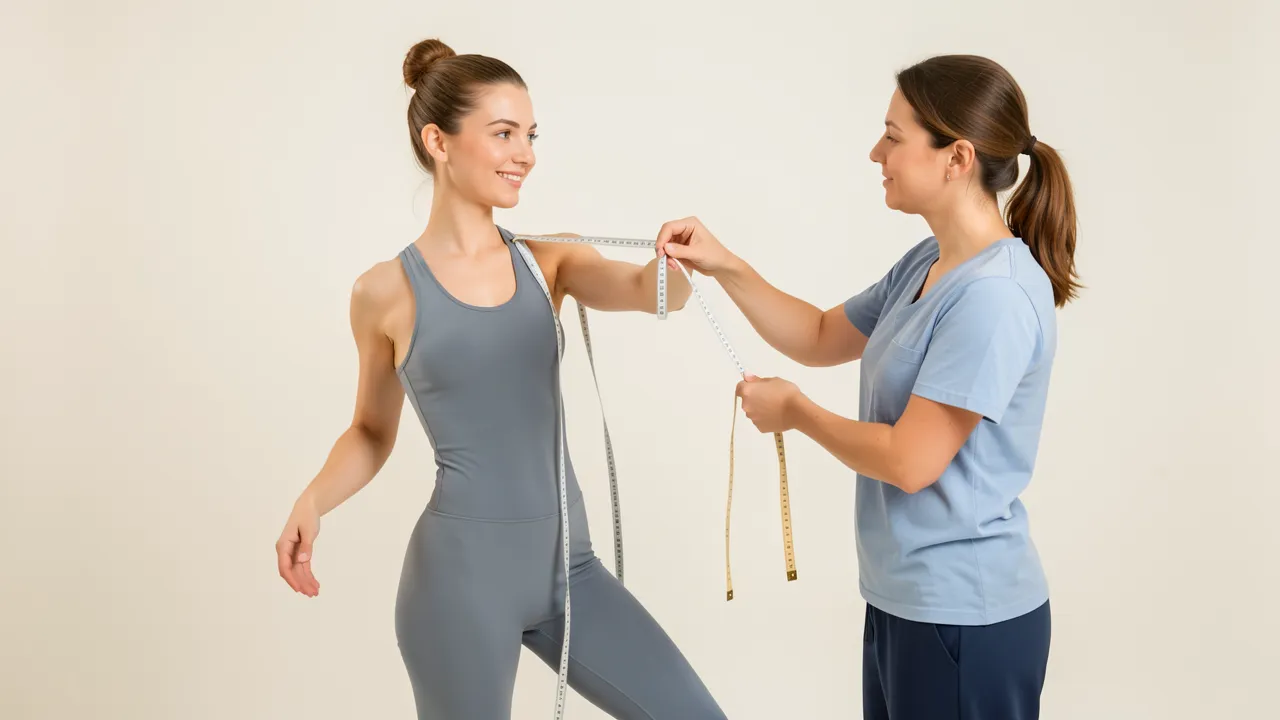
A fitting room mirror cannot tell you whether a garment works during a full day. Before buying, raise both arms, sit down, bend gently, take several long steps and twist at the waist. These small tests reveal whether seams pull, waistbands roll or necklines shift.
Pay attention to the garment’s ease of movement, meaning the extra room built into a cut. A blazer can look tailored without being tight across the shoulders. Jeans can be structured without limiting your hips. A skirt can look refined while including a back slit, a side split or a softly gathered shape.
If you shop online, check the measurements rather than relying only on size labels. Compare the garment’s waist, hip, inseam and sleeve dimensions with a piece you already enjoy wearing. Customer reviews can also reveal whether fabric feels restrictive, transparent or prone to stretching out.
Fabric performance matters beyond the studio
Dancewear is often made with technical stretch textiles, but everyday garments benefit from similar attention to fibre content and recovery. Stretch is useful only when the fabric returns to its original shape after movement. A pair of trousers that becomes baggy after two hours may feel comfortable at first, yet perform poorly over time.
Look for blends that balance softness, structure and resilience. Cotton with a small percentage of elastane can work well for T-shirts, fitted trousers and casual dresses. Viscose blends create fluid drape, although they may need careful laundering. Ponte knit offers a more polished, substantial option for trousers and skirts, while wool blended with elastane can make tailored pieces more forgiving.
Check opacity, support and durability
Opacity deserves attention, particularly with pale trousers, jersey dresses and close-fitting skirts. Stand near a window or use your phone torch in the fitting room to see whether the fabric becomes sheer when stretched. For leggings, fitted shorts or body-hugging dresses, squat or bend slightly to test coverage.
Support is equally relevant outside performance settings. A bodysuit with a lined front, a wide-strap tank or a structured knit top can provide light support and a clean silhouette. Choose the level that suits your plans. A soft bralette may be right for a weekend gallery visit, while a long commute may call for more secure straps and a wider underband.
Durability often appears in the details: reinforced seams, dense knitting, quality elastic and fabric that retains colour after washing. Read care labels before purchasing. A beautiful top that requires dry cleaning after every wear may not become the versatile piece you hoped for.
Three dancewear-inspired pieces work far beyond rehearsal
Certain dancewear staples adapt particularly well to an active, expressive wardrobe. The key is to choose versions with considered fabrics and styling potential.
A wrap top creates shape without stiffness
A wrap top borrows from ballet’s soft, adjustable lines. In cotton jersey or a fine knit, it can be worn over a camisole with high-waisted trousers for work. Choose a longer tie for a more defined waist, or leave the silhouette relaxed over a slip skirt for dinner.
A bodysuit offers a clean foundation
A well-made bodysuit stays tucked in, removes bulk around the waist and layers easily under jackets, cardigans and open shirts. For everyday use, favour opaque fabric, comfortable closures and a neckline that suits your wardrobe. Black is dependable, but deep red, forest green or soft grey can feel equally versatile.
Wide-leg trousers create fluid structure
Wide-leg trousers echo the freedom of rehearsal pants while looking more refined. A high waist and soft pleats create movement without appearing overly casual. Pair them with a fitted top to balance volume, then add trainers, loafers or low boots depending on the setting.
Layering lets fluid silhouettes adapt to different plans
Fluid clothing becomes more useful when it can be layered with intention. A sleeveless knit dress may be worn alone for an evening event, with a crisp shirt beneath for work, or with an oversized cardigan for a relaxed weekend. This flexibility makes a smaller wardrobe feel richer.
For professional settings, combine soft shapes with one structured element. Try a draped blouse under a defined blazer, or a stretch midi skirt with a neat button-down shirt. The contrast keeps the outfit composed while preserving mobility.
For social plans, introduce texture and colour. A satin-finish wide-leg trouser, ribbed bodysuit and cropped jacket can feel expressive without becoming impractical. For creative activities, choose washable layers, pockets and shoes that allow you to stand or walk for long periods.
Your clothing can support expressive personal style without forcing you into a fixed aesthetic. Dance-inspired fashion is less about looking like a performer and more about choosing garments that move with your life.
Build a wardrobe that supports movement and identity
When selecting everyday clothes, let physical freedom and visual character carry equal weight. A well-chosen garment should work across several situations, feel reliable after repeated wear and leave space for your individuality.
Keep these principles in mind:
- Test garments by sitting, reaching, walking and twisting before buying.
- Choose stretch fabrics with good recovery, not merely softness.
- Check opacity in bright light, especially for fitted or pale items.
- Prioritise secure straps, linings and seams when you need support.
- Build outfits around adaptable pieces such as wrap tops, bodysuits and wide-leg trousers.
- Use structured layers to make fluid garments appropriate for work.
- Select colours, textures and silhouettes that feel recognisably yours.
Frequently asked questions
How much elastane should everyday clothing contain?
There is no universal percentage, but a small amount can improve comfort and shape retention. For many trousers and fitted tops, a modest elastane blend provides stretch without making the garment feel overly synthetic. Always assess the fabric’s weight and recovery as well.
Can dance-inspired clothing look professional?
Yes. Choose refined fabrics, intentional proportions and clean finishing. A wrap knit, tailored stretch trousers or a smooth bodysuit under a blazer can feel office-ready while offering more flexibility than rigid alternatives.
Which shoes work best with movement-friendly outfits?
Choose shoes based on your routine. Clean trainers suit casual wide-leg trousers and knit dresses, while loafers, low block heels and supportive ankle boots add polish. Prioritise a stable sole, enough toe room and materials that remain comfortable over several hours.