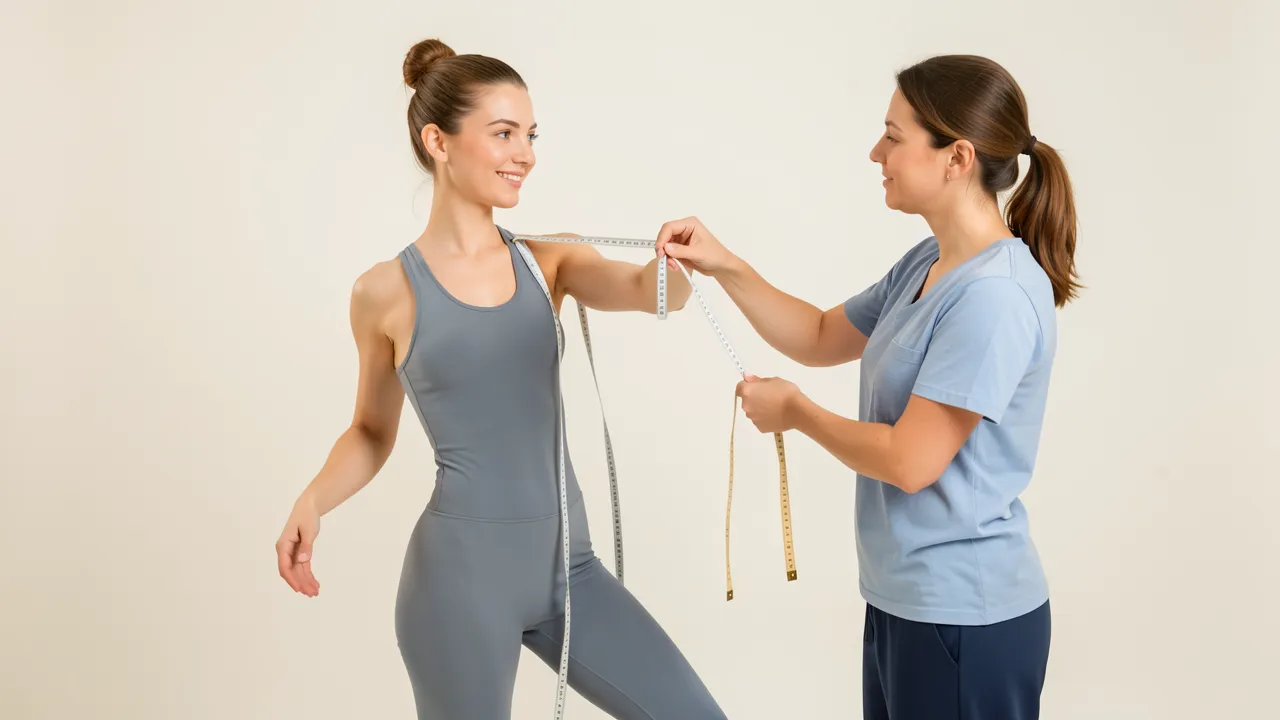





What children should wear around a first dance performance
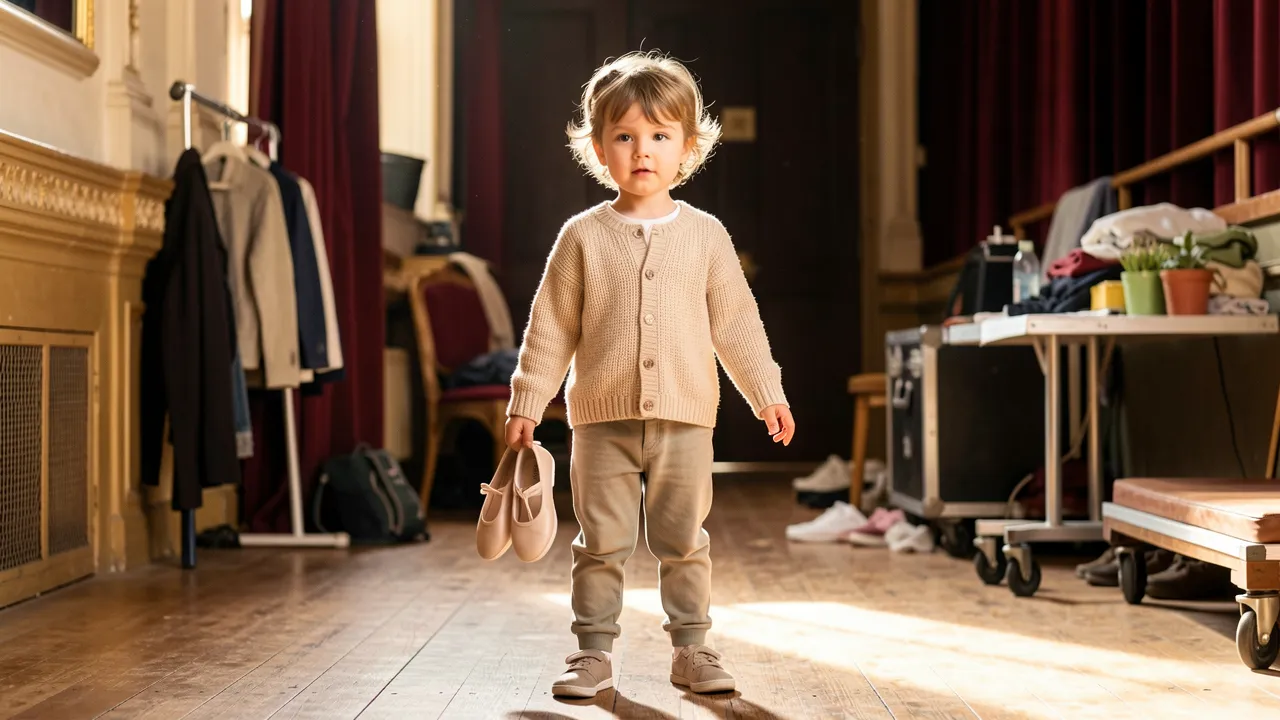
A child’s first dance performance is exciting, but the costume is only part of the preparation. Before curtain call, during backstage changes and on the journey home, your child needs clothing that feels familiar, moves easily and looks tidy in photographs. The best choices support the young performer without distracting from the costume or adding unnecessary stress to an already busy day.
The pre-performance outfit should use soft, easy layers that do not restrict movement
Arrive in clothes that can be removed quickly without disturbing hair, makeup or costume details. A soft cotton T-shirt, leggings or relaxed joggers, and a zip-up hoodie usually work well. These pieces allow your child to stretch, sit on the floor during rehearsal and walk around the venue comfortably.
Choose layers rather than one heavy item. The temperature in a theatre can change quickly between the busy dressing room, the wings and the auditorium. A lightweight cardigan or zip-front sweatshirt gives your child control over warmth without requiring help to pull a garment over their head.
For inspiration beyond performance day, learn more about baby and children’s clothing suited to everyday outings and special occasions. A practical children’s wardrobe often combines soft natural fabrics, easy fastenings and polished details that still feel comfortable. These same qualities are useful when selecting clothes for recitals, school shows and family celebrations. Look for pieces that can be worn again, such as a neat knit cardigan, comfortable trousers or a lightweight coat.
Avoid clothing with scratchy labels, stiff seams, oversized hoods or bulky pockets. Young dancers may be especially aware of texture after rehearsing in fitted dancewear. Comfort against the skin can protect their focus and mood before they step on stage.
A simple pre-performance formula keeps decisions easy
A dependable outfit might include:
- A breathable cotton top or vest
- Soft leggings, joggers or loose-fit trousers
- A zip-front hoodie or cardigan
- Clean socks and easy-to-remove shoes
- A weather-appropriate coat for arrival
Keep colours simple if the teacher has requested a particular uniform underneath the costume. Dark neutral layers can also look tidier when families take arrival photos, while avoiding any risk of colour transfer onto pale costumes.
Changing backstage becomes easier with the right fabrics, fastenings and footwear
Backstage space is often limited, warm and busy. Your child may need to change among classmates, wait in a corridor or sit on the floor between routines. Clothing should therefore be easy to manage independently, even when nerves are high.
Fabrics such as cotton jersey, soft fleece and fine knitwear are usually practical. They stretch gently, feel warm without excessive bulk and fold neatly into a labelled bag. Thick denim, complicated belts and close-fitting jumpers can slow down a change, particularly when a child must preserve a bun, hair accessories or face paint.
Zip-front layers are particularly useful because they open without passing over the head. If your child wears a costume with delicate straps, a headpiece or stage makeup, a zip-up top helps prevent snagging and smudging. Large buttons can work well for confident older children, but tiny buttons, decorative ties and difficult poppers may cause frustration.
| Clothing feature | Why it helps backstage | Better choice |
|---|---|---|
| Zip fastening | Removes quickly without disturbing hair | Zip hoodie or cardigan |
| Stretch fabric | Allows sitting, warming up and changing easily | Cotton jersey or soft fleece |
| Flat seams | Reduces irritation during long waits | Soft leggings or joggers |
| Wide neckline | Makes dressing simpler for younger children | Relaxed T-shirt |
| Slip-on footwear | Speeds up transitions before and after class | Trainers or easy shoes |
Footwear deserves attention too. Dance shoes should remain in the designated bag until needed, especially in wet weather. For arrival and departure, choose clean trainers, boots with simple fastenings or shoes your child can put on without assistance. Avoid laces if they are still learning to tie them, unless an adult will be available at each transition.
Pack a spare pair of socks, a small towel and an extra top if the venue is warm. These modest additions can be reassuring after an energetic routine, especially if your child dislikes putting damp clothing back on.
After the applause, warm and smart clothes make the journey home calmer
Once the performance ends, adrenaline often fades quickly. A child who felt warm under stage lights may become cold while waiting for photos, greeting relatives or walking to the car. Prepare an outfit that restores warmth while still looking pleasant for family pictures.
A clean knit jumper, soft long-sleeve top or cardigan offers a smart finish without looking overly formal. Pair it with comfortable trousers, leggings or a skirt with tights, depending on your child’s preferences and the season. A neat outer layer is particularly helpful when grandparents or friends are waiting outside the theatre for congratulations and photographs.
Choose outerwear based on the journey rather than the stage. A padded coat is sensible for winter evenings, while a waterproof jacket may be better for a rainy school performance. In mild weather, a structured cardigan or lightweight jacket can provide enough warmth and create a polished appearance.
Try to avoid changing into restrictive party clothes immediately after the show. Your child has already spent time concentrating, moving and waiting. Familiar clothes that feel soft and roomy often make the end of the evening more enjoyable.
A calm clothing plan supports a confident young performer
Preparing the surrounding outfit in advance leaves more room for excitement, encouragement and memorable photographs. Aim for garments that your child already knows and likes, then pack each layer in a clearly labelled bag.
Key points to remember include:
- Choose soft, flexible fabrics that allow unrestricted movement.
- Prefer zip-front layers that protect hairstyles, makeup and costumes.
- Pack practical footwear for arrival and departure, separate from dance shoes.
- Bring enough warm layers for waiting times and the trip home.
- Select tidy, comfortable pieces that work well for family photos.
- Avoid complicated fastenings, rough fabrics and bulky garments.
With comfortable layers, simple changes and reliable outerwear ready, your child can focus on the music, the steps and the pride of taking a first bow.