




How to measure for a custom dance costume
A custom dance costume can look polished, secure and comfortable only when the measurements behind it are accurate. Whether you are ordering from a costume maker or creating a pattern yourself, take your measurements slowly, use a flexible tape measure and record every figure immediately. Small differences can affect necklines, leg lines, sleeve length and how the garment moves under stage lights.
Prepare your measuring session before you pick up the tape
Measure over close-fitting dancewear, such as a leotard, fitted shorts or underwear that you would normally wear beneath the costume. Avoid bulky clothes, shoes and thick waistbands, since these can add unwanted centimetres.
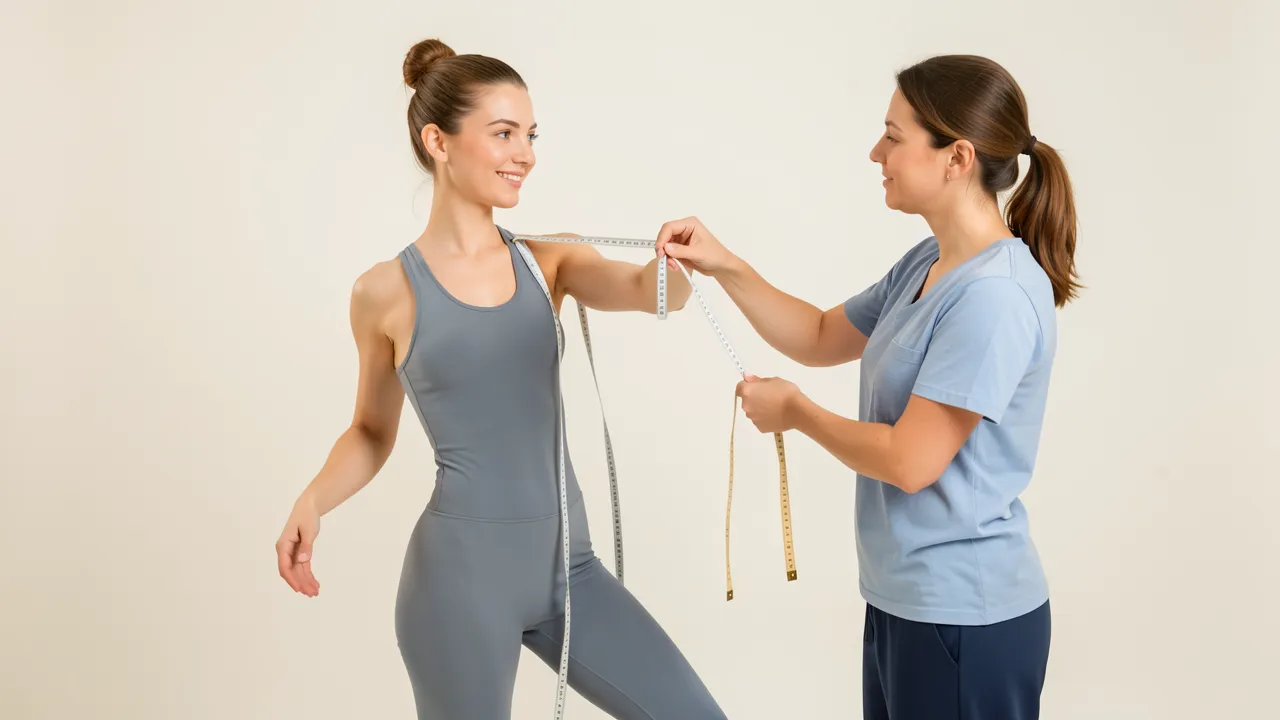
Use a soft dressmaker’s tape, a mirror and a notebook or digital form. If possible, ask another person to assist you. Self-measuring can work for the bust, waist and hips, but back width, shoulder points and torso length are more reliable with help.
Stand naturally with your weight balanced on both feet. Do not pull in your stomach, lift your shoulders or stretch upward. A dance costume must fit your body while you breathe, turn, jump and hold choreography, not only while you pose still.
Your costume’s purpose also shapes what to measure. A high-scoring stage look needs clean lines without distraction, as discussed in Competition outfits judges really notice. Share the dance style, age category and costume design alongside your figures, particularly when the garment includes skirts, mesh panels or dramatic sleeves.
Measure the body’s main circumference points carefully
Keep the tape parallel to the floor for circumference measurements. It should sit snugly against the body, but never dig into the skin. You should be able to slide one finger beneath the tape without creating slack.
Start with these core measurements:
- Bust or chest: Measure around the fullest part of the bust or chest, keeping the tape level across the back.
- Underbust: Take this measurement directly beneath the bust where a bra band would sit, if the costume has a structured bodice.
- Natural waist: Find the narrowest point of the torso, usually above the navel. Tie a narrow ribbon around this point during measuring, as it provides a consistent reference for later lengths.
- Hips: Measure around the fullest part of the hips and seat, usually 18 to 23 centimetres below the natural waist.
- Upper thigh: Measure around the widest part of one thigh if the costume includes shorts, briefs or a fitted unitard.
- Bicep and wrist: Measure the fullest part of the upper arm and the wrist for long sleeves or fitted cuffs.
Fabric selection affects how these measurements are interpreted. Stretch lycra, velvet and mesh can tolerate different amounts of negative ease, while woven fabrics need more room for movement. Review How to choose the right fabric for a dance costume before assuming that one set of measurements suits every material.
Record torso and length measurements with precision
Length measurements determine whether a leotard pulls at the shoulders, a skirt sits evenly or a sleeve ends at the correct point. Keep the measuring tape flat against the body’s contours rather than drawing it in a straight line through the air.
The most requested figure for a custom leotard is the girth measurement. Start at the centre of one shoulder, run the tape down the front of the body, between the legs and up the back to the same shoulder point. This number affects overall comfort more than many clients expect. If it is too short, the costume can ride up. If it is too long, excess fabric may gather at the waist or back.
Also record the front waist length, from the shoulder point to the natural waist, and the back waist length, from the base of the neck to the natural waist. For skirts, measure from the waist ribbon to the desired hemline at the front, side and back. A lyrical skirt may need different front and back lengths, while a tap or jazz costume may need a compact, even hem.
If you plan to add trims yourself after the costume arrives, leave notes about where seams and appliqués should sit. DIY Dance Costume Decoration for Beginners offers practical guidance that can help you avoid placing decoration over stretch zones or closure points.
Verify your figures before ordering a custom costume
Measure each key point twice, preferably at different times of day. If the figures differ, take a third measurement and use the most consistent result. Write measurements in centimetres or inches, but do not mix units on the same form.
Include useful notes for the costume maker: your height, torso shape, preferred fit, bra requirements, modesty preferences and any movement concerns. Mention if you need extra space through the shoulders for acro, if you dislike tight necklines or if you wear a particular style of dance brief.
Costume makers also need to know where embellishment will be applied. Heavy stones can affect stretch, drape and comfort near the neckline or hips. When planning stage decoration, consult Best rhinestones for dance costumes and stage sparkle and provide reference images with your measurement sheet.
Before submitting your order, check these points:
- Measure over the undergarments or base layer you will use for performance.
- Keep the tape firm but comfortable, without compressing the body.
- Record bust, waist, hips, thigh, bicep and girth measurements.
- Add front and back lengths for leotards, skirts and fitted bodices.
- State your units clearly and include design notes with the figures.
- Recheck every number before the costume maker begins cutting fabric.
Create a reliable custom costume fit for every performance
Accurate measurements give your costume maker a dependable foundation, while clear notes turn those numbers into a garment suited to your routine. Take your time, keep your posture natural and communicate any fit preferences early. The result is more likely to support confident movement, clean stage lines and a costume you can wear comfortably from rehearsal through competition.