




How to sew stretch fabric without puckering
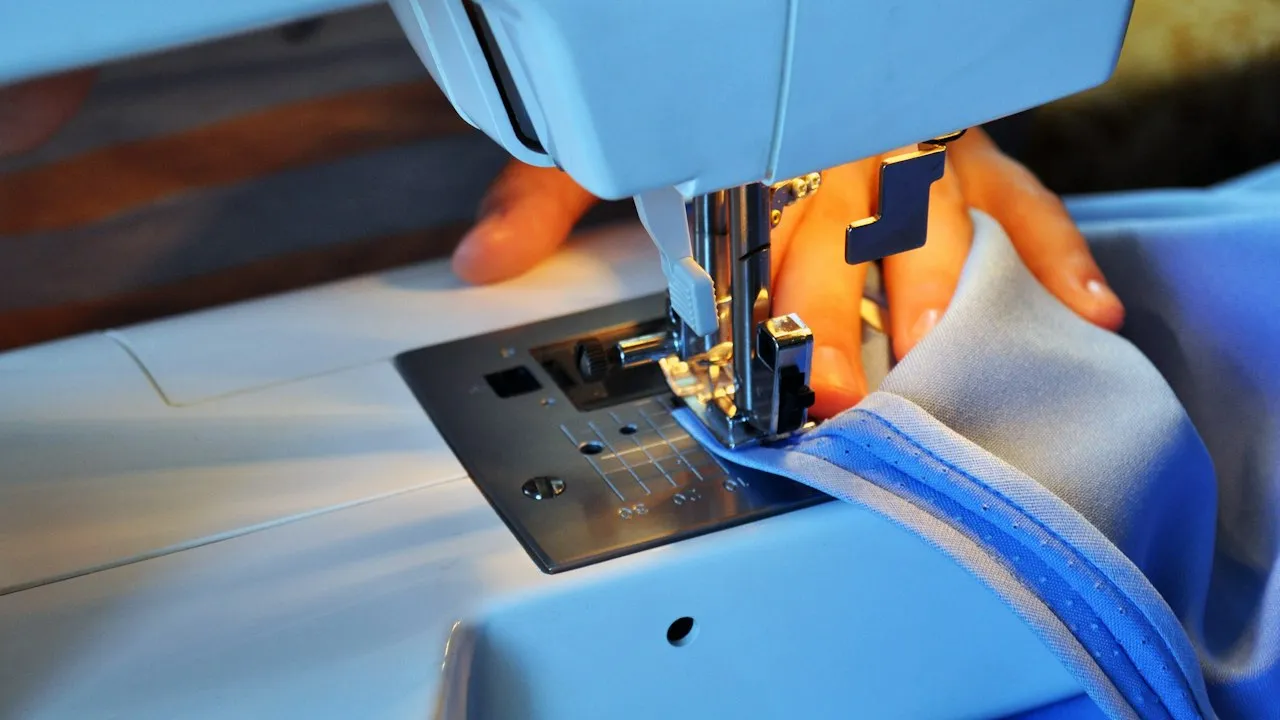
Sewing stretch fabric can feel unpredictable at first: the seam ripples, the neckline waves, or the fabric is pulled out of shape before you reach the end. The good news is that puckering is usually caused by a few controllable factors, including needle choice, machine settings and handling technique. With the right preparation, you can create smooth, flexible seams that look professional and remain comfortable to wear.
Start with the right needle, thread and presser foot
Stretch fabrics need a needle that moves with the knit structure rather than piercing and damaging its fibres. A ballpoint or stretch needle is generally the best choice for jersey, lycra, spandex blends and similar materials. Its rounded point slips between knit loops, reducing skipped stitches and tiny holes.
Match the needle size to the fabric weight. Fine dance mesh or lightweight jersey often works well with a 70/10 or 75/11 needle, while heavier ponte, sweatshirt fleece or dense athletic fabrics may need an 80/12 or 90/14 size. Replace the needle if it is dull, bent or has been used for several projects, as a worn needle can drag the fabric and create uneven stitches.
Polyester all-purpose thread is usually a practical option because it has a little give and withstands repeated washing. Cotton thread can be less forgiving on highly elastic garments. If you are making a performance costume, your fabric selection also matters. How to choose the right fabric for a dance costume offers useful guidance on balancing stretch, comfort and appearance.
A walking foot can help feed slippery or layered knits evenly. If you do not own one, a standard presser foot still works well when the machine settings and fabric handling are correct.
Test your stitch settings before sewing the garment
Never begin on the finished garment without testing. Cut a small sample from the same fabric, ideally with two layers if your seam will join two pieces. Test several stitch types and inspect the results after gently stretching the seam.
A narrow zigzag stitch is a reliable choice for many domestic sewing machines. Try a stitch width of around 0.5 to 1 mm and a length between 2 and 2.5 mm. This gives the seam enough elasticity without creating a visibly zigzagged edge. Some machines also have a stretch stitch, lightning stitch or triple stretch stitch. These can be strong, although they often take longer to sew and are more difficult to unpick.
For hems, a twin needle can produce two neat parallel rows on the right side and a flexible zigzag underneath. Use a stretch twin needle where possible, and lower the upper thread tension if the fabric tunnels between the stitched lines.
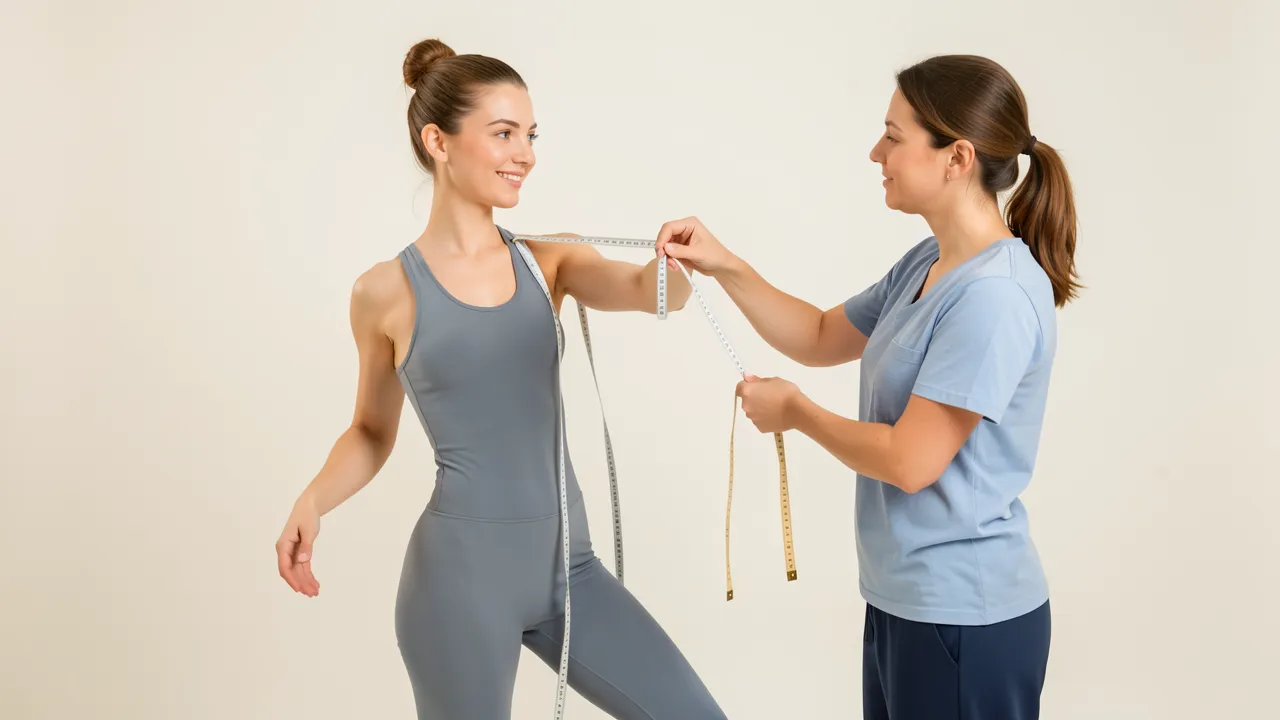
If you are sewing a costume from scratch, accurate cutting and seam allowance planning prevent strain later. Use the measurements in How to measure for a custom dance costume to prepare pieces that fit properly before stitching begins.
Control tension and fabric feeding to prevent ripples
Puckering often occurs because the top thread tension is too high. Start with your machine’s normal setting, then reduce it gradually if the seam draws the fabric together. Sew another test after every adjustment. The goal is a flat seam that stretches without thread snapping.
Avoid pulling the fabric from behind the presser foot. Let the feed dogs move it through the machine while you guide it lightly with both hands. Stretching the fabric as you sew is one of the fastest ways to create wavy seams. Instead, keep the layers aligned and support their weight so they do not drag down from the sewing table.
If the edges curl, use clips instead of pins where practical. Pins can distort fine jersey and leave temporary marks in delicate performance fabrics. Place clips frequently enough to keep both layers even, particularly around curves.
Stabilising the seam can also make a major difference. For shoulder seams, waistlines, curved necklines and areas that must not stretch, sew clear elastic, stretch stay tape or lightweight knit interfacing into the seam. This keeps the garment’s shape without removing all flexibility.
For garments that include decorative details, use stabilisation thoughtfully. Competition outfits must combine secure construction with movement-friendly finishing. The advice in Safe sparkly gymnastics leotards under competition rules can help you consider where embellishments and reinforcement belong.
Finish seams in ways that preserve stretch and comfort
A serger, also called an overlocker, is highly effective for stretch fabric because it stitches, trims and finishes the seam edge in one step. Use a four-thread overlock for strong construction seams, such as side seams and crotch seams. Adjust differential feed if the machine creates waves. Increasing the differential feed slightly can prevent lightweight knits from stretching as they pass under the foot.
A regular sewing machine can still achieve excellent results. Sew a narrow zigzag or stretch stitch, then trim the seam allowance carefully. If the fabric frays, finish the raw edge with a wider zigzag, an overcast stitch or a second line of stitching.
Press seams gently rather than flattening them aggressively. Use a low heat setting appropriate for synthetic fibres, a pressing cloth and light steam if the fabric allows it. Press up and down instead of sliding the iron, which can stretch the knit. Allow the fabric to cool flat before moving it.
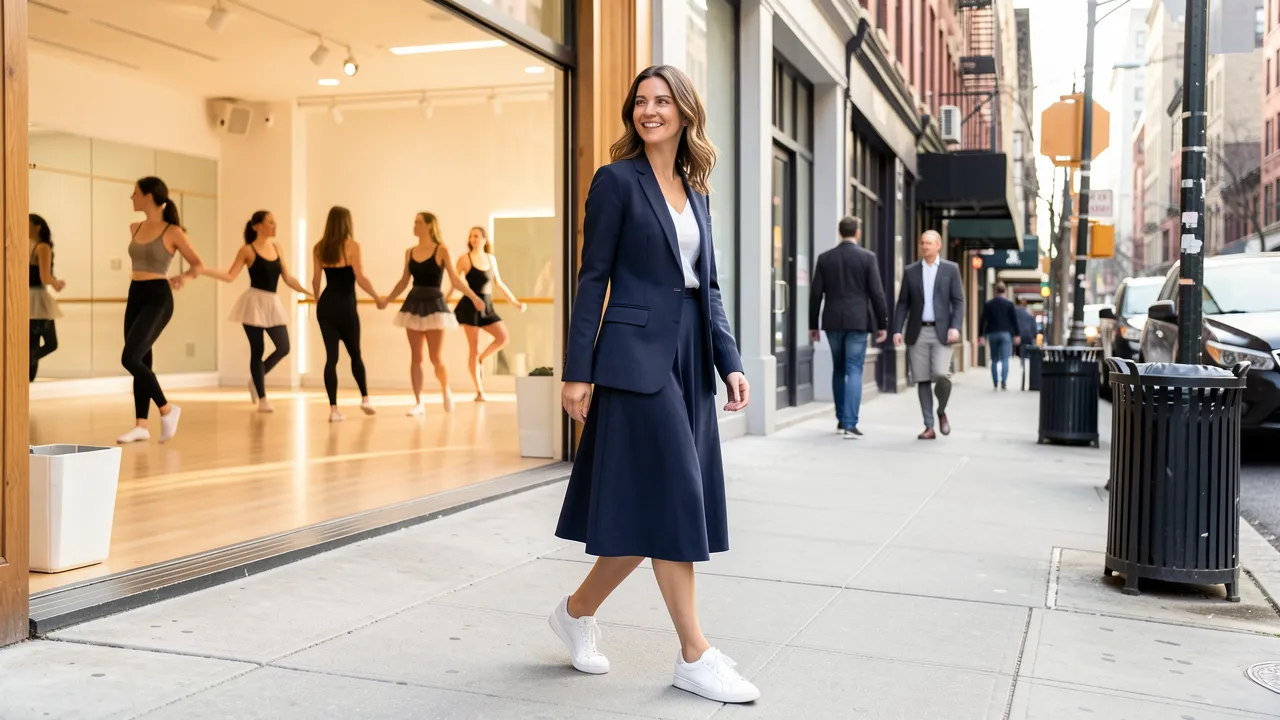
Stretch garments can also become part of everyday styling beyond rehearsals or training. From dance studio to street: building a versatile women’s wardrobe shares ideas for pairing movement-friendly pieces with casual layers.
A calm sewing process delivers cleaner stretch seams
Working slowly gives you more control over fabric that shifts, curls or clings to the machine. Prepare each seam, test the settings and make small adjustments rather than attempting to correct a problem after the whole garment is assembled. A few minutes spent on scraps can save both fabric and frustration.
Keep these practical points in mind:
- Use a stretch or ballpoint needle suited to the fabric weight.
- Test stitch length, width and tension on fabric scraps first.
- Guide the fabric gently, without pulling or stretching it.
- Add clear elastic or knit stay tape to seams that need stability.
- Use differential feed on an overlocker when lightweight fabric waves.
- Press carefully with low heat and a pressing cloth.
With consistent handling and the right equipment, stretch fabric becomes far less intimidating. Your seams can stay flat, elastic and comfortable, whether you are sewing a simple jersey top, dancewear or a fitted fashion piece.